
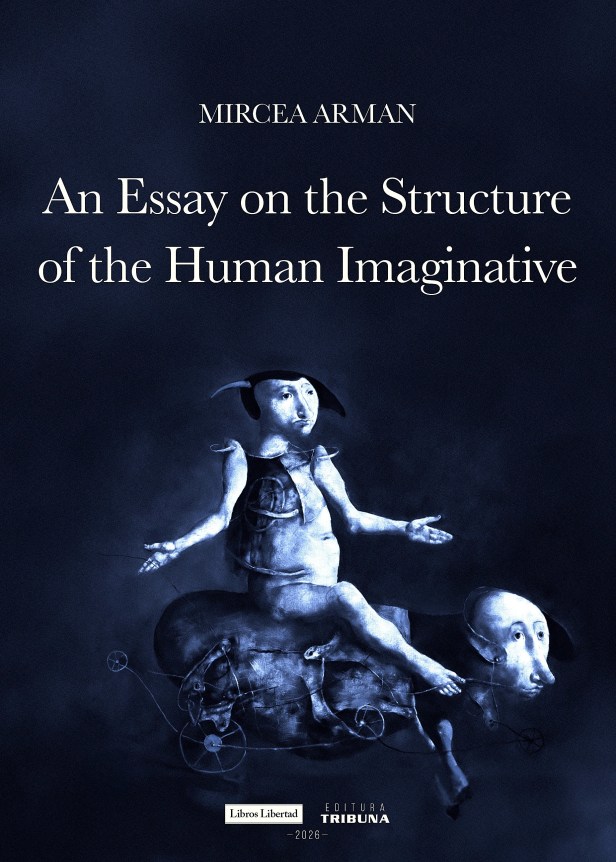
Excerpt
The Religious Imaginative
of the Ancient Greeks
Referring to the Indo-European peoples, Georges Dumézil
maintains that, as a rule, they developed a tripartite social organisation
expressed through the functions of sovereignty (including the
sacerdotal function), defense and warfare, and economic production.
The religion of these peoples is structured according to these three
principal activities, and their gods are nothing more than the avatars
of these functions. This way of viewing things finds broad confirmation
within the Imaginative of these peoples. As far as the Greek
people are concerned, however, we believe that they constitute, as
they so often do, a significant exception to this rule.
We must not forget that the Greeks–though certainly not they
alone–during the course of settling their own living space, underwent
extensive interaction with other peoples, in the vast majority
of cases probably of the same Indo-European stock, though in other
instances with populations of entirely different origins. This mixture,
however, was so heterogeneous that almost every valley and hill gave
rise to a distinct form of organisation. Consequently, the tripartite
scheme that proves so comprehensive for other peoples of the same
Indo-European branch does not, in most cases, correspond to the organisation
of the Greek Imaginative and, consequently, of the Greek
world itself.
Although during the second half of the twentieth century
Hellenists attempted, through demonstrations of varying degrees of
brilliance and persuasiveness, to fit Greek civilization into the tripartite
scheme–or at least into one of its three functions…

