
Excerpt
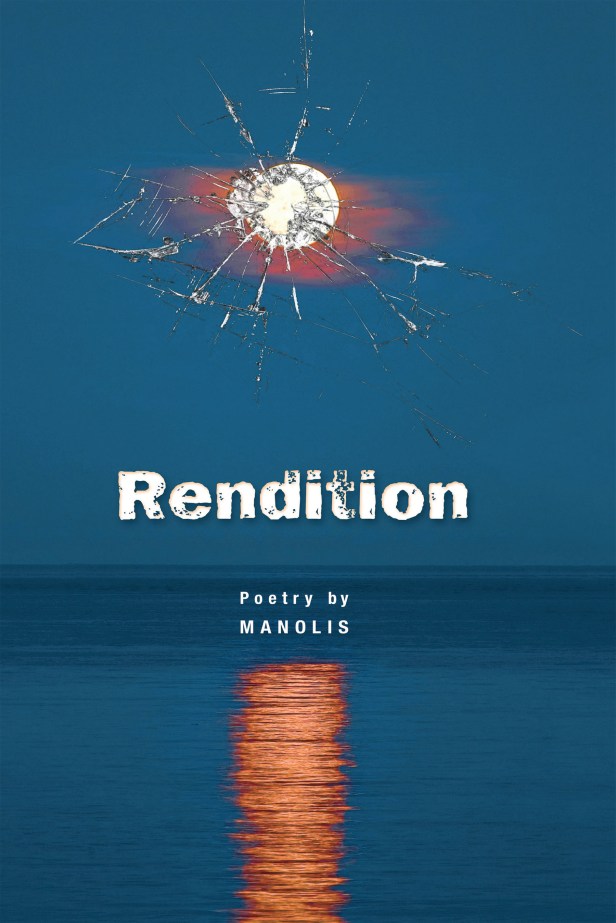
…The poem “Poem” makes this ars poetica explicit. Composition arises from the body: the rib cage shakes, a dormant god rises, a pen is wedged in the hand, and marks appear on the white page like stigmata. The poem both “undresses” and “emerges,” becoming a form of difficult revelation. Aligizakis understands poetry as a physical and spiritual act, one that can be both mutilating and redemptive. His poems continually return to the page as a place where the unsayable can be approached, if not finally mastered.
At their strongest, these lyrics possess a painterly vividness. Aligizakis has an alert eye for colour and texture: bronze after rain, yellow walls, a red dress, a blue sun ray, white linen, black satin, ivory-lit verse, the green whisper of a willow. His landscapes are not passive backgrounds. They are active participants in consciousness. A sparrow roosting beneath a bronze statue, a ladybug crossing a palm, pigeons gathering for crumbs, a lily in a vase, a lone gull against wind: each can become a point from which the poem opens into a larger philosophical or emotional inquiry.
“Unexplainable” is especially memorable for its modesty. A few pigeons, two sparrows, potato chips on a plaza, scented air, and a grasshopper’s song lead to the declaration that “the endless is not more / secret than the finite.” The poem’s achievement lies in its refusal to overstate its revelation. The infinite is not elsewhere, it suggests; it is already present in the smallest shared scene. This is one of the book’s most appealing qualities. Even at its most elevated, Rendition remains attracted to the common object, the overlooked creature, the domestic gesture.
Yet the collection is never content to remain in pastoral or private territory. War, political violence, poverty, and dispossession enter the poems with increasing force. The long sequence “Requiem” is a major turning point. It follows an intoxicated or abandoned figure lying in an alley, while his consciousness moves through urban degradation, Indigenous memory, ancestral landscapes, and the violence of colonization. The poem’s rat, gutter, stale alcohol, trash bin, and city developer form an uncompromising contemporary scene. Against this, visions of bison, canoes, mustangs, relatives, and the figure of Smiling Moon rise and vanish. The sequence is fragmented because the life it depicts has been fragmented.
“Requiem” does not make its social witness easy or distant. The poem’s power comes from its willingness to connect individual collapse with historical devastation. The present-day body on concrete is not isolated from the past; it is part of a larger landscape of rupture, displacement, and unhealed memory. Aligizakis’s technique of rapid associative movement is particularly suited to this subject. The poem refuses the comfort of a single stable viewpoint. It takes the reader through the alley and into dream, toward an ancestral plain and back again, letting each image alter the meaning of the last.

